Dense Understory Blocking Property Access
Brush Removal in Mount Horeb and throughout South Central Wisconsin for overgrown slopes and fence line vegetation
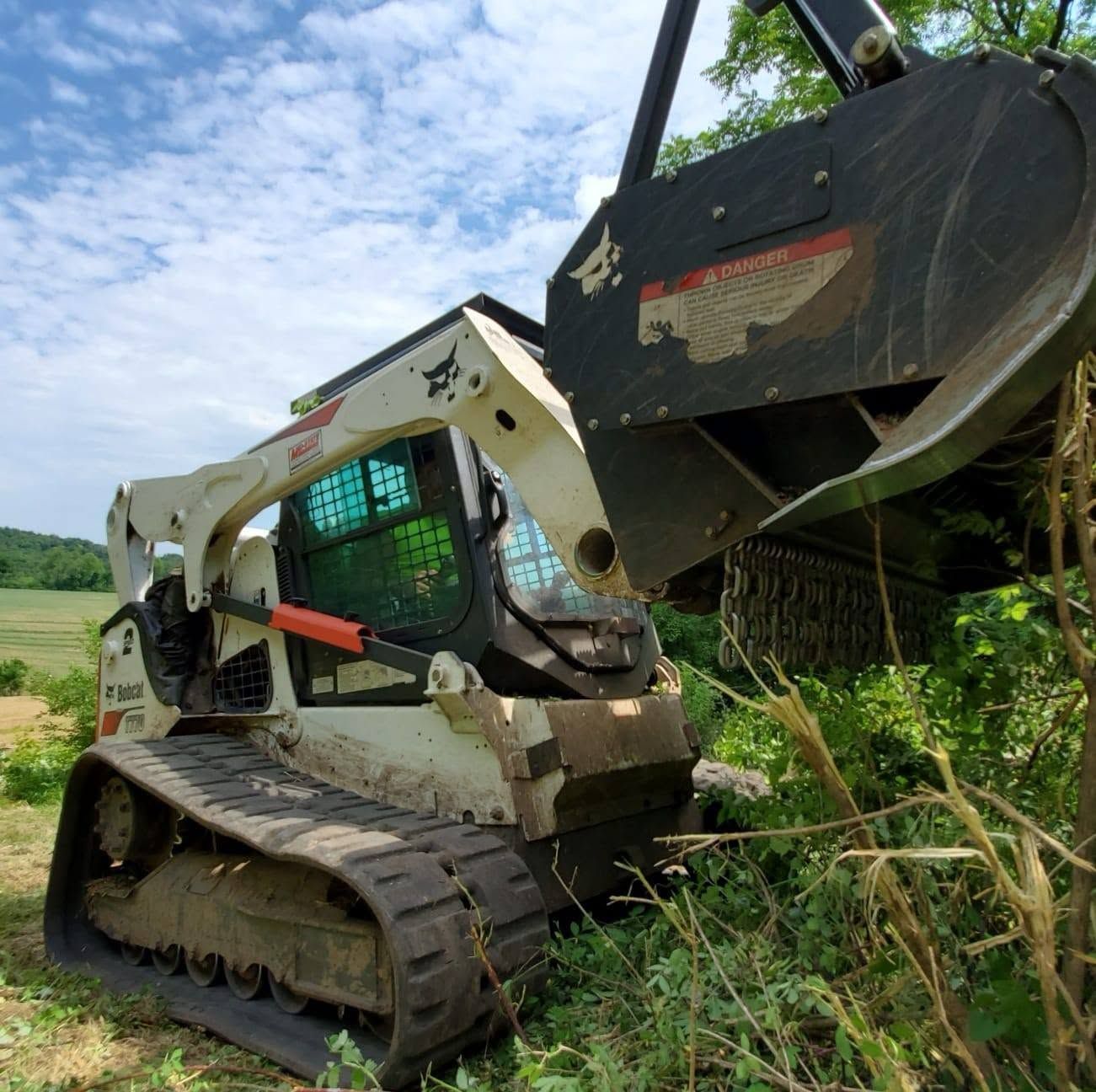
Thick brush across hillier terrain prevents access to fence lines and complicates land management when understory growth spreads unchecked. Heavy equipment brush cutting processes dense vegetation without damaging underlying land structure, converting standing material into mulch that stays on-site rather than requiring debris hauling. Property owners across the driftless region manage this by clearing brush before it obstructs maintenance routes or threatens boundary visibility. Tim Post Services handles brush removal for residential and rural properties where traditional hand-cutting cannot keep pace with regrowth typical of South Central Wisconsin hill country.
The equipment cuts through dense understory and processes material on-site, leaving cleared ground ready for grazing, planting, or access restoration. Properties in Sauk County, Richland County, and surrounding areas frequently deal with brush that returns within a single growing season if root systems remain active.
Request a detailed estimate based on current brush density and terrain accessibility.
What Changes After Brush Clearing Completes
Brush removal involves cutting vegetation at ground level and mulching it where it stands, using rotating drums with carbide teeth that shred the material. Equipment selection depends on brush thickness and slope angle, with tracked machines handling steeper grades without excessive soil compaction. Operators work systematically to avoid leaving unprocessed pockets that would regenerate quickly.
Cleared areas show open ground with a mulch layer that holds moisture and suppresses immediate regrowth. Fence lines become accessible for wire repair and post replacement, and slopes reveal their actual drainage patterns once thick brush no longer obscures the land contour. Property owners notice easier movement across previously obstructed sections and reduced pest habitat where dense vegetation once created shelter.
Brush removal does not eliminate root systems or stumps, so properties requiring complete vegetation eradication need additional treatments. The service focuses on clearing above-ground growth to restore access and visibility rather than preventing all future regrowth.
Common Questions About This Service
Brush removal projects across remote hill communities often involve specific terrain and equipment concerns.
What qualifies as brush versus trees for removal purposes?
Brush typically includes multi-stemmed woody plants, saplings under three inches in diameter, and dense understory growth, while trees have single trunks over four inches and established root structures requiring different equipment.
How does equipment access work on hillside properties?
Tracked machines navigate slopes up to 30 degrees and cross uneven terrain more safely than wheeled equipment, though access routes get evaluated during site visits to confirm safe operation without excessive rutting in Mount Horeb's hill country.
What happens to the brush after it gets cut?
Material gets processed into mulch that stays on-site, decomposing naturally and adding organic matter back into the soil rather than requiring hauling to a disposal site.
How long before brush grows back after removal?
Regrowth timelines depend on species and root vitality, with some brush returning within one growing season and others taking two to three years, though follow-up mowing or herbicide application extends the cleared period significantly.
Does brush removal damage the soil or cause erosion?
Equipment operation compacts soil minimally compared to traditional clearing methods, and the mulch layer left behind protects against erosion better than bare ground would after mechanical clearing.
Properties with dense brush across slopes require equipment that handles terrain without creating new land management problems. Tim Post Services provides brush removal designed for driftless area conditions where access and regrowth patterns differ from flatter regions. Schedule a property visit to assess equipment access and clearing priorities for your land.